4 Ways to Choose a Projector
A projector is a device for presenting information. Let's look at 4 key factors for choosing one to suit your work.
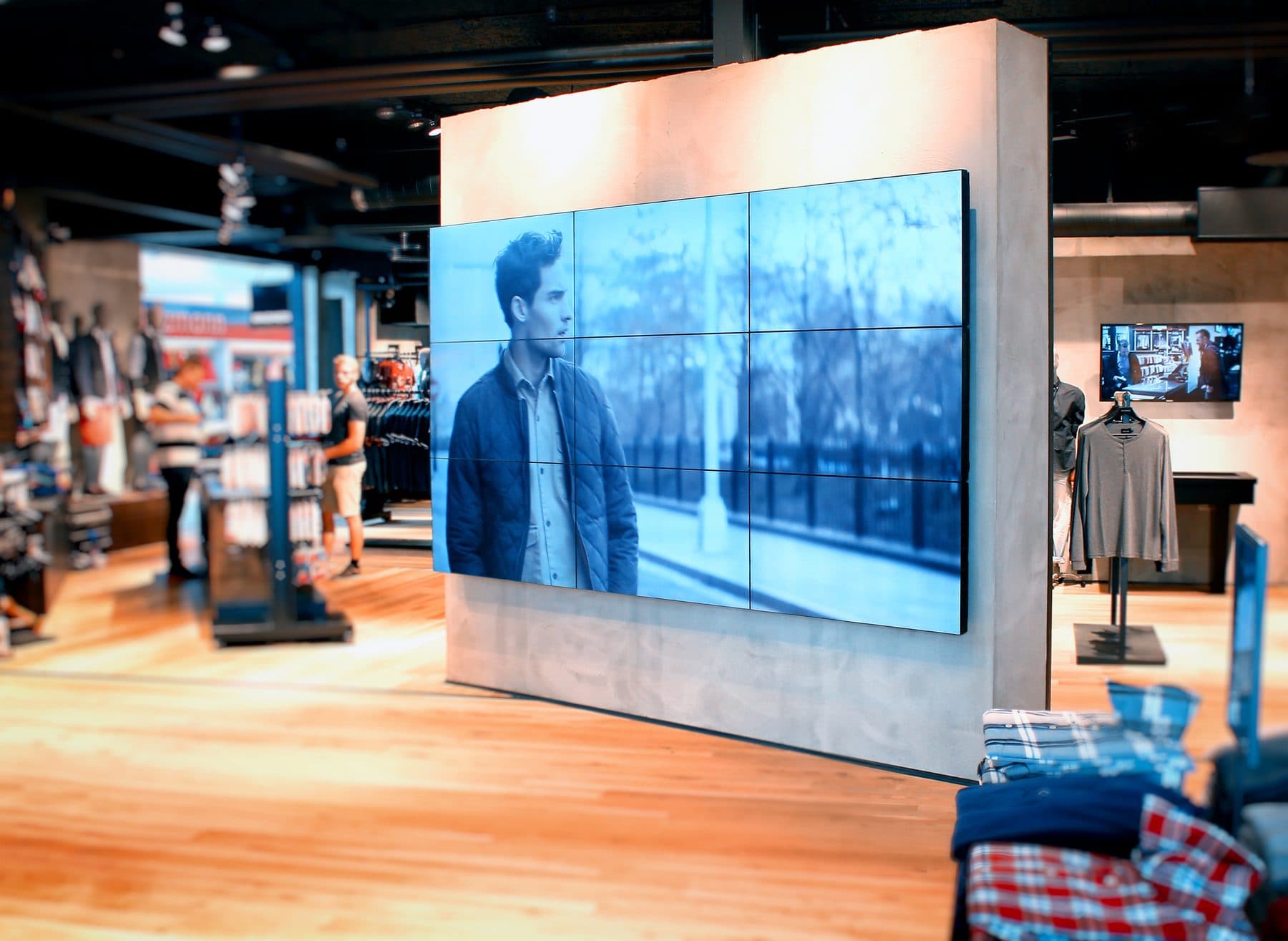
A projector is a device for presenting information in various forms, whether still images or motion. It is popularly used for presentations in the public and private sectors, educational institutions, meeting rooms, seminar rooms, and many other venues.
Brightness
Brightness is a major factor in choosing a projector, because a projector's brightness affects how the projected image is viewed. Using appropriate brightness gives depth to the viewing and helps the audience feel more comfortable. To choose a projector's brightness, consider the Lumens value, which has several components for matching brightness to the room, such as the viewers' viewing distance, the type of images used, and the room's ambient light.
Type of Use
Users have different usage purposes, so they must choose a type of use consistent with their objective in order to get full performance. For example, a user who often needs to present off-site must choose a portable projector that can be moved, or a user who needs to present architectural or graphic-design work must use a projector with high image-display performance.
Installation Position
The installation position of a projector depends on the interior design of the room where it will be installed. Generally there are four main positions for installing a projector: in front, behind, above (ceiling-mounted), and below (table-mounted) relative to the screen. However, some rooms are designed to use a reflecting mirror or a short-throw projector to solve problems of projection distance and angle.
Image Resolution
Image resolution is important when choosing a projector, especially for work that requires detailed image data and clarity of that data, such as graphics work. Besides resolution, color accuracy must also be considered. Image resolutions often go by various abbreviated names, such as XGA, HD, or 4K.
The ways to choose a projector to suit your use described here are only the basics that a user should know. But if you want the system to fit properly with the conditions of a particular venue, you should consult an expert who specializes in system design so it can be used correctly and to the greatest value.
Frequently asked questions
How do you choose a projector's brightness?
Consider the Lumens value, matching it to the room using several factors such as the viewers' viewing distance, the type of images used, and the room's ambient light. Appropriate brightness gives depth to the image and keeps the audience comfortable.
What are the installation positions for a projector?
There are generally four main positions relative to the screen — in front, behind, above (ceiling-mounted), and below (table-mounted) — depending on the room's interior design. Some rooms are designed to use a reflecting mirror or a short-throw projector to solve problems of projection distance and angle.
Which projector suits graphic-design or architectural work?
It needs a projector with high image-display performance, because such work requires detailed, clear images. Besides resolution — known by abbreviations such as XGA, HD, or 4K — color accuracy must also be considered.