The Heart of Welding: A Buyer's Guide From a Professional Chrome Copper Supplier
In resistance welding, chrome copper offers a balance between electrical conductivity and strength, making it a core material for welding electrodes and heavy industrial applications.
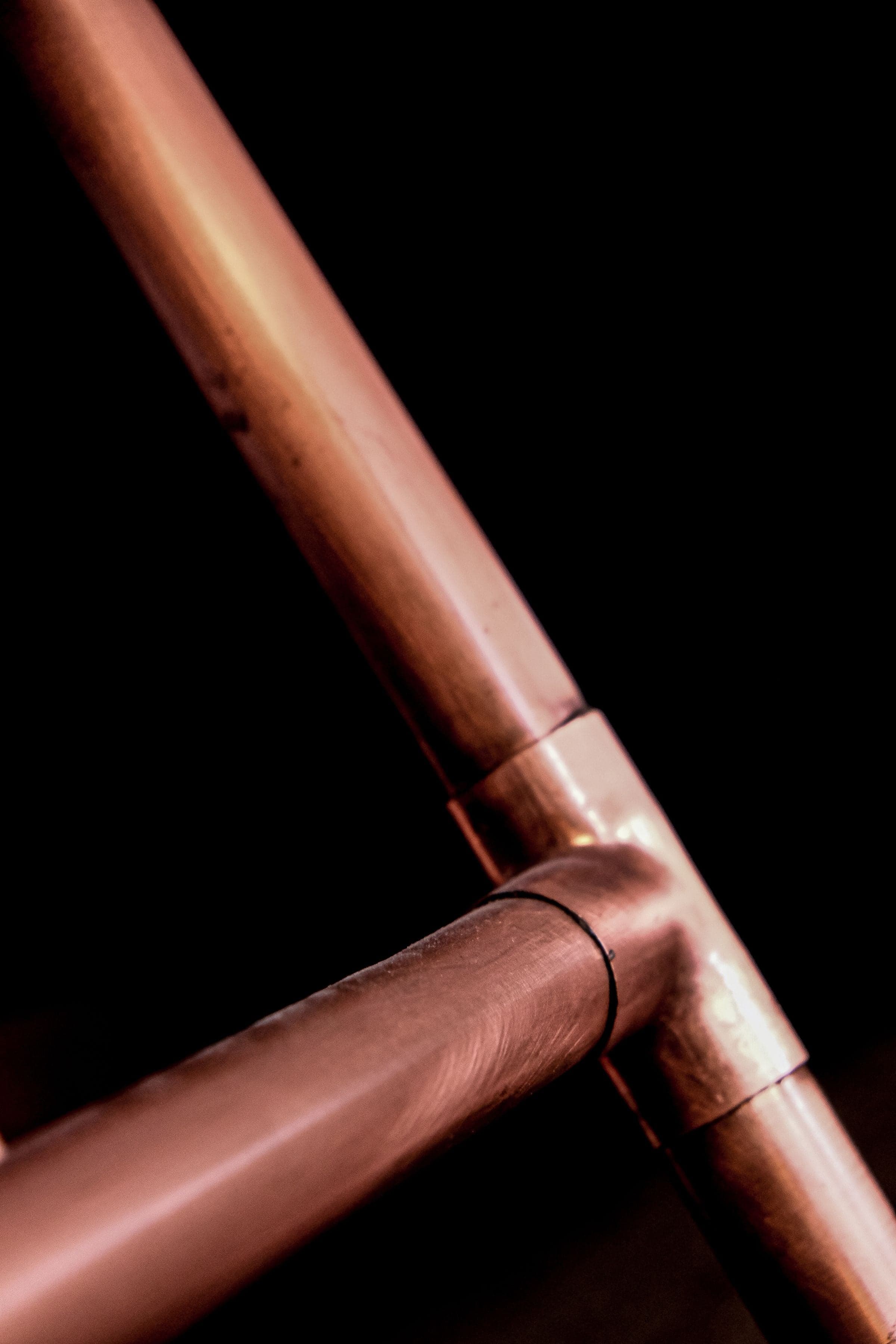
In heavy industry, particularly resistance welding, the key challenge is battling heat and pressure. Chrome copper offers a balance between electrical conductivity and strength, making it a core industrial material.
What Exactly Is Chrome Copper?
Chrome copper (chromium copper) is an alloy composed primarily of copper with a small amount of chromium (Cr) added (typically 0.6% - 1.2%). This material can be heat treated so that fine chromium precipitates disperse within the copper matrix. The result is a material several times stronger than pure copper while retaining outstanding electrical conductivity.
The Perfect Combination: Electrical Conductivity + Strength
The key characteristics of chrome copper: electrical and thermal conductivity remain as high as ~85% IACS relative to pure copper; hardness and tensile strength are 2-3 times greater than pure copper; and it offers excellent resistance to wear and deformation under heat and pressure.
C18200: The Standard Grade Every Chrome Copper Supplier Must Stock
C18200 is the most widely used and sought-after industrial standard grade. In the welding industry, C18200 is classified under RWMA Class 2, which specifies material properties suitable for welding electrodes, requiring a balance between hardness and electrical conductivity.
The Number One Application: Electrodes for Resistance Welding
In the spot welding process, the electrode tip must carry an enormous electrical current and apply pressure at the same time. Pure copper softens and "mushrooms" quickly, but C18200 can withstand repeated pressure and heat many times longer.
Applications in Other Key Industries
Electrical switchgear equipment: contact parts and busbars in high-power switches must carry high current and resist arcing. Heat sinks: in high-power electronic equipment they require high heat-dissipation performance and mechanical strength. Mold inserts: in the plastic injection industry, areas that are difficult to cool use C18200 to draw heat out faster.
How to Select a Professional Chrome Copper Supplier
A trustworthy supplier must issue a mill certificate specifying the chemical composition and mechanical properties, with traceability back to the manufacturer. They should hold stock in a variety of forms — round bar for CNC turning, square/rectangular bar for switchgear parts, and plate for mold components — as well as provide technical guidance on why C18200 suits your application.
Frequently asked questions
What is chrome copper?
Chrome copper (chromium copper) is an alloy composed primarily of copper with a small amount of chromium added, typically 0.6% – 1.2%. After heat treatment, fine chromium precipitates disperse within the copper matrix, giving a material 2-3 times stronger than pure copper while retaining electrical and thermal conductivity as high as ~85% IACS.
Why is C18200 the preferred grade for welding electrodes?
C18200 is the most widely used industrial standard grade and is classified under RWMA Class 2, which specifies material properties suitable for welding electrodes. In spot welding, the electrode tip must carry an enormous current and apply pressure at the same time; pure copper softens and mushrooms quickly, but C18200 withstands repeated pressure and heat many times longer.
How do you choose a reliable chrome copper supplier?
A trustworthy supplier must issue a mill certificate specifying the chemical composition and mechanical properties, with traceability back to the manufacturer. They should hold stock in a variety of forms — round bar for CNC turning, square/rectangular bar for switchgear parts, and plate for mold components — and be able to give technical guidance on why C18200 suits your application.