Hospital Nurse Call Installation Guide: Analog or IP, and What You Need
Installing a nurse call system that is standards-compliant, fast-responding, and reliable is essential to elevating patient safety and passing international standards such as JCI and HA.
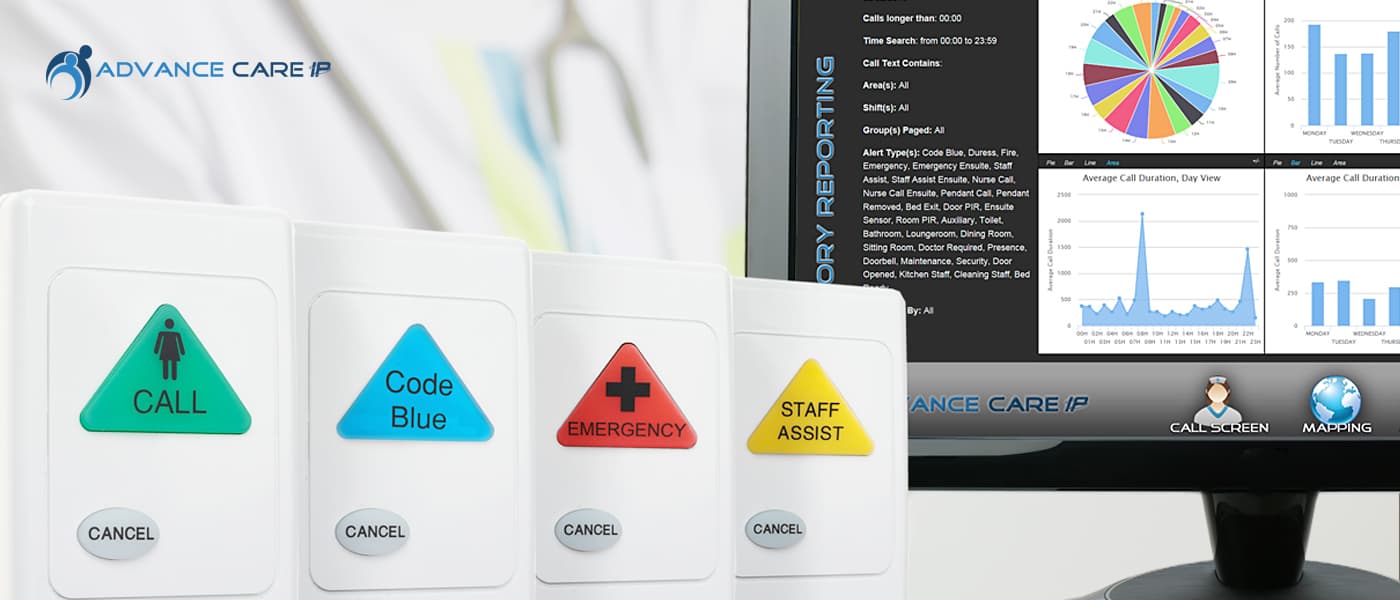
In an environment where every second matters to a life, such as a hospital, the nurse call system is not merely a convenience device but the most important safety system. It is a lifeline that connects patients directly to their caregivers. Installing a hospital nurse call system that is standards-compliant, fast-responding, and reliable is therefore essential to elevating service quality and a core component of passing international standards such as JCI and HA.
Why You Should Trust Us to Install Your Nurse Call System
We deeply understand that installing a hospital nurse call system is completely different from installing a typical AV system. We are not just technicians — we are a consulting team that works together with the nursing team, building engineers, and the hospital's IT department. Our direct experience deploying systems in healthcare facilities makes us keenly aware of the need for 100% reliability. We know the system must never crash, must comply with electrical safety standards, and must be designed to support the nursing team's workflow as simply and quickly as possible.
Choosing the Right Technology: Analog vs. IP Nurse Call Systems
Deciding which system to choose is the most important first step, as both systems have strengths suited to different contexts. The analog system is the traditional approach using dedicated point-to-point wiring; it is highly reliable, easy to use, and durable, making it suitable for general wards or small hospitals. The IP network system runs on the building's existing LAN network, is far more flexible and intelligent, and can integrate with the hospital information system (HIS) and send alerts to nurses' smartphones.
The Core Components Required in a Nurse Call System Installation
A complete system is more than just a call button; it comprises several parts working together: the bedside station with an easy-to-use pull-cord call button for patients; the bathroom pull cord, which must have a cord long enough to reach the floor in case a patient falls; the corridor dome light, which shows call status with different colors; and the nurse station console, the main display for answering calls, using intercom, and viewing the status of all beds.
System Integration: When Nurse Call Is More Than Just a Call
The heart of the IP Nurse Call system is its ability to integrate with the hospital's other systems. When a patient presses the call button, patient data such as name, HN, and drug allergies can be displayed instantly at the nurse station, along with an alert sent directly to nurses' smartphones. The system can also generate response time summary reports for use in evaluating and improving service quality.
The Challenges and Safety of Installing in a Hospital Environment
Installing a hospital nurse call system carries very high, unique challenges. Installers must understand safety requirements such as cabling in clean zones, working in areas with patients without causing disturbance, and connecting the system to emergency backup power so it functions even during a power outage.
Frequently asked questions
Should a hospital choose an analog or an IP nurse call system?
Each suits a different context. The analog system uses dedicated point-to-point wiring; it is highly reliable, easy to use, and durable, making it suitable for general wards or small hospitals. The IP network system runs on the building's existing LAN, is far more flexible and intelligent, and can integrate with the hospital information system (HIS) and send alerts to nurses' smartphones.
What equipment does a hospital nurse call installation need?
A complete system comprises the bedside station with a pull-cord call button; the bathroom pull cord, which must be long enough to reach the floor in case a patient falls; the corridor dome light, which shows call status with different colors; and the nurse station console, the main display for answering calls, using intercom, and viewing the status of all beds.
What special safety requirements apply to installing in a hospital?
Installers must understand specific requirements such as cabling in clean zones, working in areas with patients without causing disturbance, and connecting the system to emergency backup power so it functions even during a power outage. The system must also comply with electrical safety standards and be designed to support the nursing team's workflow.