3 Techniques for Caring for Your Speakers
Three correct basic techniques for caring for your speakers, for worthwhile performance and a longer service life.
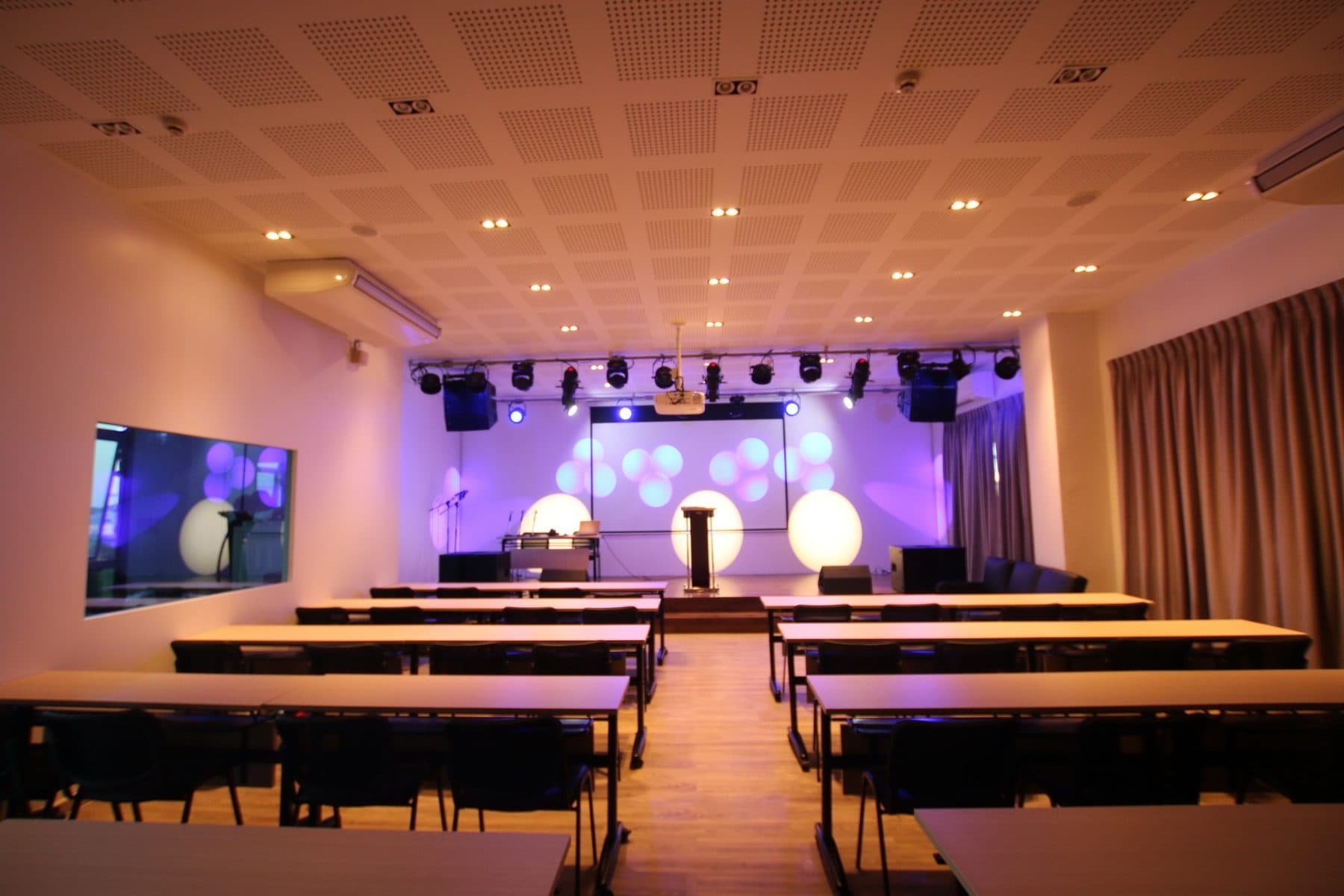
Speakers are one of the things that help create a good atmosphere for any venue, no matter where the listener is located, and they also help amplify sound to make it clearer, so you no longer have to strain to hear speech or background music, while adding to the enjoyment of watching and listening to various media. To keep your speakers lasting a long time and looking their best, we should keep proper speaker-care methods in mind. Today we introduce three correct basic speaker-care techniques for worthwhile performance and a longer service life.
On Dust
Dust is one of the top problems for speakers. Not only does it make your speakers look dirty, but tiny dust particles can also cause problems with the speaker's internal system. Dust that settles on the speaker's connector terminals obstructs sound-signal transmission and adds noise to the audio system, which can affect the overall operation of the user's audio system. If we don't clean the speakers we use, the wiring and speakers can be damaged, affecting long-term use. The best way is to regularly clean the speakers as well as other audio equipment. We do not recommend cleaning speakers with water or any liquids, as this will damage the drivers and other parts; using a dry cloth is safest for the speakers.
On Heat
Speaker heat is also something we must consider. If a speaker is not designed to dissipate heat well, or is not designed for outdoor use, heat will accumulate in the speaker over a long period, which can damage the speaker's component materials and degrade them faster than they should — for example, the cabinet's covering material, the various rubber edges, and even the electrical circuitry. The best way is to avoid storing speakers in direct sunlight and to choose speakers suited to the job, to prevent damage from heat buildup inside the speaker.
On Usage
Whatever type of speaker you use, there's a tendency to turn the volume up first so listeners can hear the output fully. But little do people know that turning the speaker to maximum volume is an indirect way of harming it, because playing a speaker too loud can damage it and also shortens its service life, degrading it faster. The best approach is to keep the volume at about 80–85% of the speaker's output, which is plenty.
Frequently asked questions
What is the correct way to clean speakers?
Clean speakers and other audio equipment regularly, but do not use water or liquids — they damage the drivers and other parts. A dry cloth is safest. Dust on the connector terminals obstructs signal transmission and adds noise to the system.
Should you run speakers at maximum volume?
No. Running a speaker at maximum volume is an indirect way of harming it — it can cause damage and shortens the service life. Keeping the volume at about 80–85% of the speaker's output is plenty.
How does heat affect speakers?
If a speaker is not designed to dissipate heat well, or is not made for outdoor use, heat accumulates over time and degrades its components faster than it should — the cabinet covering, the rubber edges, even the circuitry. Avoid storing speakers in direct sunlight, and choose speakers suited to the job.