A Complete Guide to Choosing a Video Conference System for Hybrid Work
In the age of hybrid work, a video conference system is no longer just an option but a key tool that measures an organization's performance. Simply buying a webcam and connecting it to a TV does not mean you have a good "system."
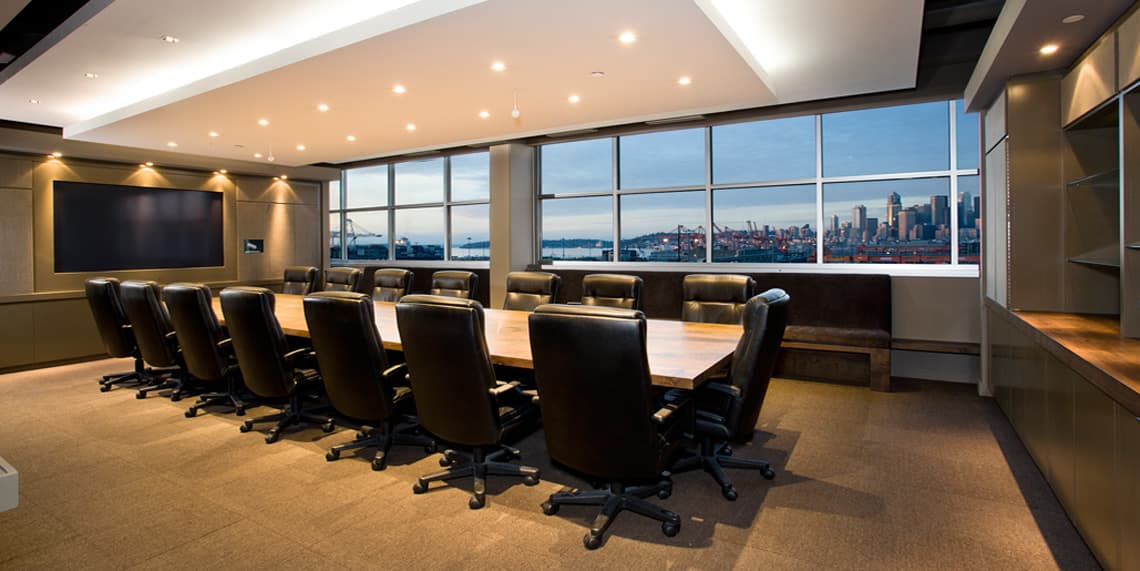
In an era where hybrid work has become the new standard, a video conference system is no longer just an option but a key tool that measures an organization's performance. Meeting rooms that once sat quiet must become hubs connecting employees from anywhere in the world. But simply buying a webcam and connecting it to a TV does not mean you have a good "system." Investing in an effective conferencing system is therefore essential to keeping your business moving forward seamlessly.
A Video Conference System Is Not Just a Webcam Connected to a TV
Many people still mistakenly think that a VC meeting means connecting a laptop to a TV via HDMI and using the computer's built-in webcam. That works for a one-on-one call, but in a meeting room with 5-10 people, it is a disaster. A professional-grade video conference system is an "integrated system" made up of specialized hardware (camera, microphones, speakers, and a processor) designed for the "whole room."
A New Era of Work: Why Hybrid Work Needs a Professional VC System
Hybrid work creates a new challenge called "meeting equity." It means that employees joining a meeting remotely must have an experience equal to those sitting in the meeting room. They must see everyone clearly, hear every word, and be able to participate easily — something a single laptop simply cannot deliver.
The Camera (The Eyes): More Than Just a Sharp Picture
A meeting room camera is not just a webcam but an intelligent camera with key functions: PTZ (Pan-Tilt-Zoom), the ability to pan, tilt, and zoom with an optical lens to capture the speaker clearly even from a distance; auto framing, which automatically zooms in and out to keep all participants in frame; and speaker tracking, which automatically turns and zooms toward whoever is speaking.
The Audio System (The Ears and Mouth): The Most Important Part
"You can keep meeting if the video fails, but if the audio fails, the meeting is over." This is the truth, which is why a professional audio system matters so much. The microphone must be an array type that can pick up sound across the whole room, the speakers must be tuned specifically for voice, and — most importantly — the DSP (Digital Signal Processor) is the brain behind the scenes that performs acoustic echo cancellation and reduces ambient noise (AI noise cancelling).
Choose Your Platform: MTR, Zoom Rooms, or BYOD?
MTR/Zoom Rooms are rooms using equipment certified directly by Microsoft Teams or Zoom, with a touch panel for control and one-touch meeting start, ideal for organizations that primarily use one platform. BYOD (Bring Your Own Device) is the most flexible type: the room has a central camera, microphone, and speaker installed, but users bring their own laptop and connect through a single USB-C cable, ideal for organizations that need to connect with clients on a variety of platforms.
The Key Role of the AV Integrator
Hiring a professional installer is not just hiring someone to run wires — it is hiring a "consultant" who will help you design a system that fits your budget, install it to standard, and, importantly, "tune the audio" in that specific room to perfection.
Frequently asked questions
Why is a webcam connected to a TV not enough for a meeting room?
Connecting a laptop to a TV via HDMI and using its built-in webcam works for a one-on-one call, but in a meeting room with 5-10 people it is a disaster. A professional-grade video conference system is an integrated system of specialized hardware — camera, microphones, speakers, and a processor — designed for the whole room.
What functions should a meeting room camera have?
A meeting room camera is an intelligent camera with PTZ (Pan-Tilt-Zoom) — panning, tilting, and zooming with an optical lens to capture the speaker clearly even from a distance; auto framing, which zooms in and out automatically to keep all participants in frame; and speaker tracking, which automatically turns and zooms toward whoever is speaking.
Should you choose an MTR/Zoom Rooms setup or BYOD?
MTR/Zoom Rooms use equipment certified directly by Microsoft Teams or Zoom, with a touch panel and one-touch meeting start, ideal for organizations that primarily use one platform. BYOD is the most flexible: a central camera, microphone, and speaker are installed, and users connect their own laptop through a single USB-C cable — ideal for organizations that meet clients on a variety of platforms.