A Guide to Procuring and Managing Audiovisual Equipment for the Modern Organization
A guide to help those responsible plan, procure, and manage audiovisual equipment efficiently and get the best possible return on investment in the digital age.
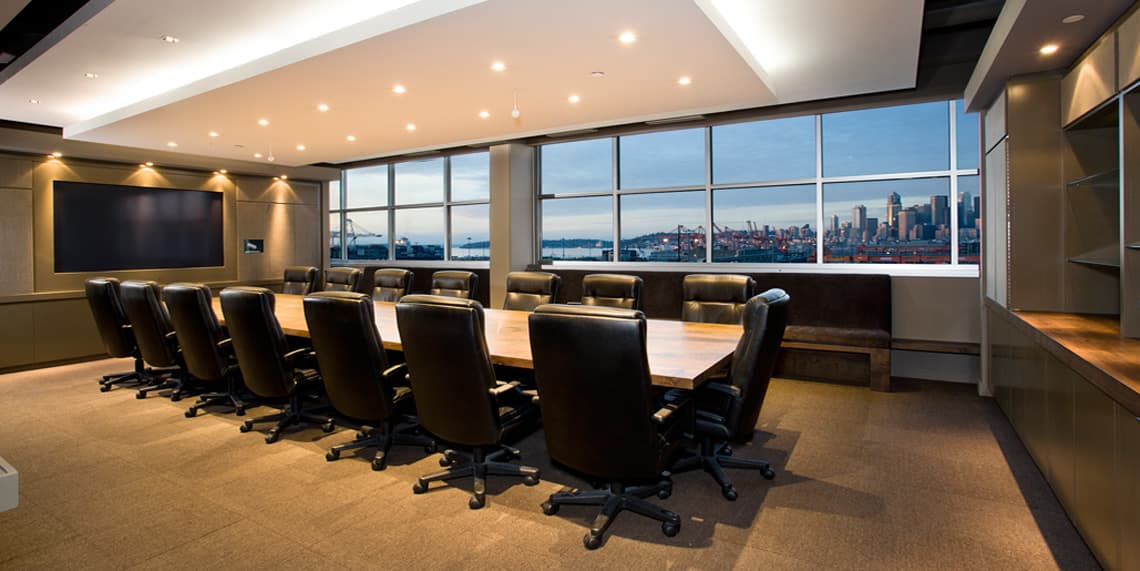
The term "audiovisual equipment" has long been used as formal terminology in the procurement processes of government agencies, educational institutions, and large organizations. Although the technical term "AV system" has largely replaced it, in the context of asset procurement this term remains highly significant. In the digital age, audiovisual equipment is no longer limited to projectors and projection screens; it has evolved into sophisticated, intelligent systems that are central to communication and learning.
Understanding the types of modern audiovisual equipment
For accurate planning, we can divide the audiovisual equipment needed today into the following main categories.
Visual Equipment
This is the category responsible for conveying visual information to the audience, and the technology here has advanced significantly. It includes projectors, which remain the primary equipment for large meeting rooms and classrooms; displays, including interactive displays; and projection screens, whose quality affects image sharpness no less than the projector itself.
Collaboration Equipment
This category has grown dramatically in importance in the era of the hybrid workplace. It comprises video conferencing systems, which include high-quality cameras, codecs, and microphones, and wireless presentation systems that make screen sharing easier without the need for cables.
Writing effective specifications (TOR)
Writing a clear, well-crafted TOR (Terms of Reference) is at the heart of acquiring equipment that truly meets your needs and delivers quality. It should thoroughly specify the key requirements for projectors, interactive displays, wireless microphone systems, and conference discussion systems.
The importance of installation and after-sales service
The price of the equipment is only part of the total cost. Installation by qualified specialists ensures the equipment performs at its full potential and operates safely, while after-sales service and an on-site warranty are the crucial guarantee that when a problem arises, experts will step in to resolve it, keeping operations running smoothly.
Frequently asked questions
What is the difference between "audiovisual equipment" and an AV system?
"Audiovisual equipment" is the formal term long used in the procurement processes of government agencies, educational institutions, and large organizations. Although the technical term "AV system" has largely replaced it, the term remains significant in asset procurement, and in the digital age it is no longer limited to projectors and projection screens.
What are the main categories of modern audiovisual equipment?
The main categories are visual equipment — projectors, displays including interactive displays, and projection screens whose quality affects sharpness no less than the projector — and collaboration equipment, meaning video conferencing systems with high-quality cameras, codecs, and microphones, and wireless presentation systems that make screen sharing possible without cables.
When procuring audiovisual equipment, is the equipment price all that matters?
The price of the equipment is only part of the total cost. Installation by qualified specialists ensures the equipment performs at its full potential and operates safely, while after-sales service and an on-site warranty guarantee that experts will step in when a problem arises, keeping operations running. A clear, well-crafted TOR from the outset also matters.