Combining the properties of different metals in a single material
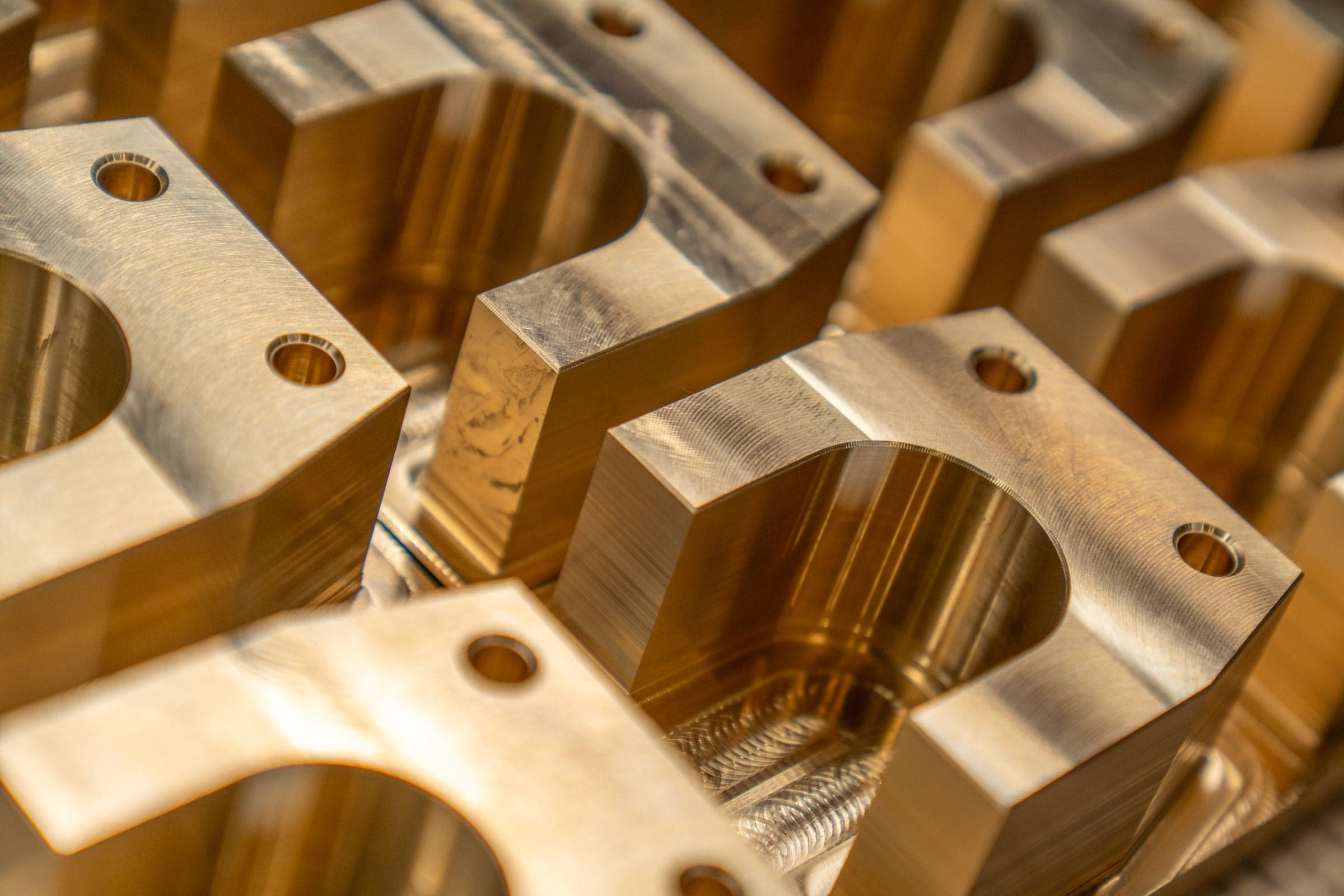
Clad metal joins two or more metals together with a metallurgical bond to combine properties — such as the conductivity of copper with the strength or corrosion resistance of stainless steel — in a single piece.
Overview
Roll bonding creates a strong bond between metal layers, allowing properties to be engineered point by point — for example one surface that conducts electricity and another that resists corrosion or accepts solder.
A fast-growing application is busbars and connection tabs in EV batteries that must join copper to aluminium, as well as transition joints in electrical and electronic applications.
Key properties
- Metal layer system
- Cu–Stainless, Cu–Al, Ni–Cu–Ni, Tri-clad, and custom
- Production method
- Roll Bonding
- Key properties
- Combines conductivity + strength/corrosion resistance in one piece
- Forms
- Sheet · Strip · Custom
Material highlights
Engineer properties point by point
Each layer is chosen for a different role — for example a conductive surface and a corrosion-resistant surface — giving a material matched to the application without compromise.
Joining dissimilar metals (Cu–Al)
Cu–Al clad joints bridge copper and aluminium in EV battery busbars and tabs, reducing galvanic corrosion problems.
Reduce precious-metal cost
Cladding a thin layer of precious metal onto an economical base material delivers the required surface properties while lowering total cost.
Applications & available forms
Common applications
- EV battery busbars and tabs
- Cu–Al transition joints (Transition Joint)
- Electrical contacts and components
- Electronic components and heat dissipation
- Cookware and thermal applications
Available forms
- Sheet / Plate
- Strip
- Custom Profile
Frequently asked questions
How is clad metal produced?
Most clad metal is made by roll bonding, where pressure and heat join the layers into a metallurgical bond, producing a single sheet that does not delaminate and conducts electricity/heat across the layers.
Why do EV batteries use Cu–Al clad metal?
Joining copper directly to aluminium is difficult and risks galvanic corrosion. Cu–Al clad lets each side be welded to a like metal, lowering resistance and extending joint life.
Can clad metal be ordered with a specific layer system?
Yes — we supply multiple layer systems and thicknesses and advise on the right metal stack for your electrical, strength, and corrosion requirements.
Ready to start your project?
Talk to our engineers directly, or request a quote for your system.