The Hidden Power of the Red Metal: A Complete Guide to Copper Alloys
When pure copper is alloyed with other elements, copper alloys become some of the most powerful and versatile engineering materials in the world.
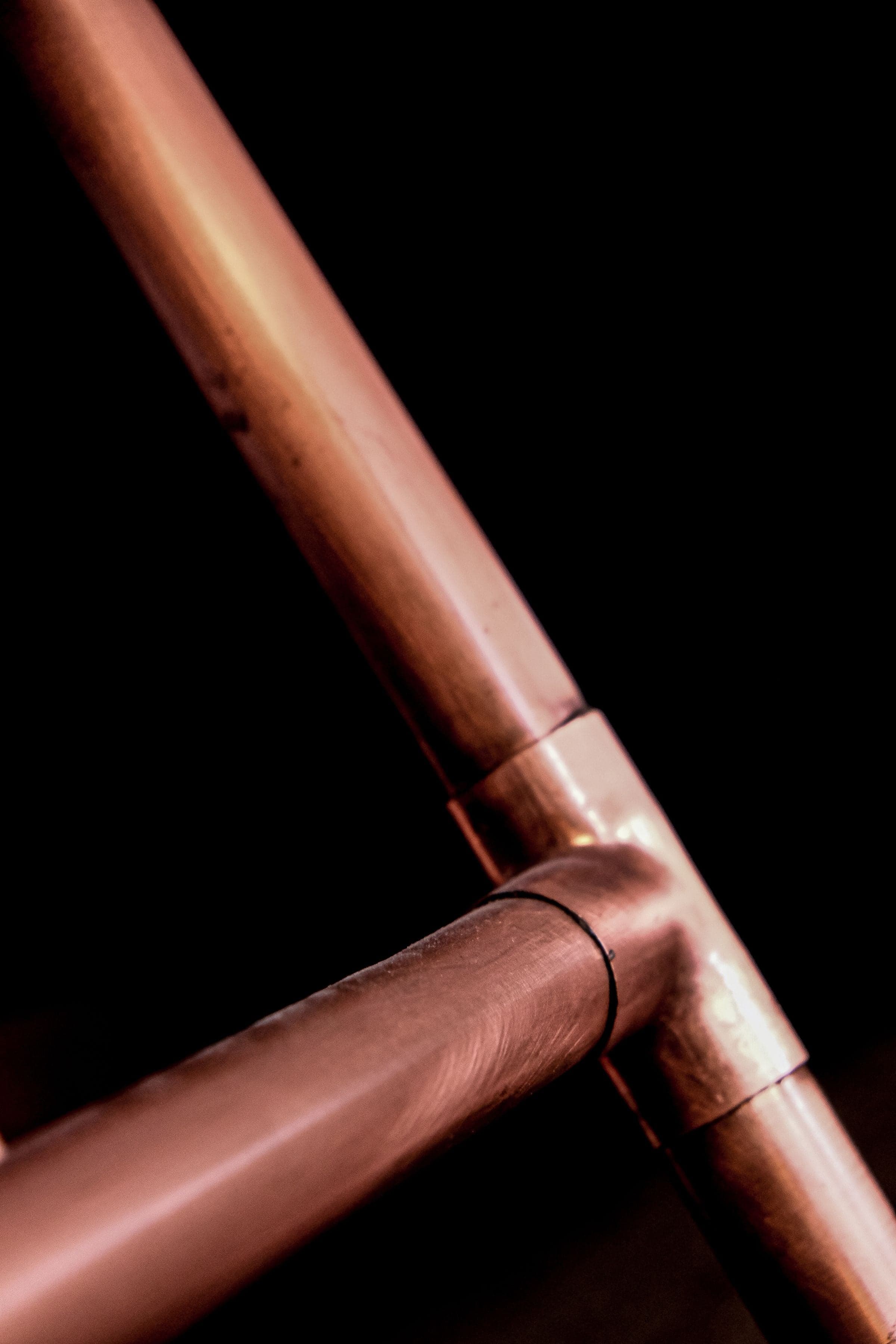
When pure copper is "alloyed" with other elements, copper alloys become "some of the most powerful and versatile engineering materials in the world," from tiny electronic connectors to the propellers of ocean-going ships.
What Exactly Are Copper Alloys?
A copper alloy is a metallic material made by taking pure copper as the main component and adding other metallic elements such as zinc, tin, nickel, or aluminum to improve its properties for specific applications. Because pure copper is soft and low in strength, alloying is the answer to increasing strength and wear resistance and improving other properties.
The Main Families to Know: Brass
Brass is an alloy with copper as its main component and "zinc" as the principal alloying element. Different zinc ratios yield different properties and colors. Brass's greatest strength is its "ease of machining," particularly turning, cutting, and drilling, and it has a beautiful golden-yellow color, so it is popular in decorative work and musical instruments.
The Main Families to Know: Bronze
Bronze, in its original sense, is an alloy of copper and "tin," but today the term is also used for copper alloys with elements other than zinc as the main addition. Bronze is stronger, tougher, and more wear-resistant than brass, and it offers excellent corrosion resistance, especially in saltwater, making it a core material for ship propellers.
More Than Just Brass and Bronze: Other Important Alloys
Cupronickel is an alloy of copper and nickel with the best corrosion resistance in seawater, popular for heat-exchanger tubes. Nickel silver (also called "German silver") is an alloy of copper, nickel, and zinc with a bright silvery-white color, popular for jewelry and wind instruments. And beryllium copper is the "superalloy" with very high strength comparable to steel while still conducting electricity well.
The Silent Hero: Corrosion Resistance
One of the most outstanding properties of copper alloys is that they do not "rust" like iron. When exposed to air and moisture, they form a thin oxide film, or "patina," on the surface.
Applications of Copper Alloys in Industry
These materials are found everywhere: plumbing and sanitation (faucets, valves, and fittings made of brass); the marine industry (ship propellers and seawater pump parts made of bronze and cupronickel); electronics (connectors, pins, and sockets made of brass and beryllium copper); and musical instruments (trumpets and saxophones made of brass, cymbals made of bronze).
The Connection to Electronics and Audio Systems
In the world of high-quality audio and video, signal connectors are often made of good-quality brass and gold-plated. Using the right copper alloy makes signal transmission more stable and reduces signal loss.
Frequently asked questions
What are copper alloys, and why alloy copper at all?
A copper alloy is a metallic material with pure copper as the main component and other metallic elements — such as zinc, tin, nickel, or aluminum — added to improve its properties for specific applications. Because pure copper is soft and low in strength, alloying increases strength and wear resistance and improves other properties.
What is the difference between brass and bronze?
Brass is an alloy of copper and zinc; its greatest strength is ease of machining, particularly turning and drilling, and its golden-yellow color makes it popular for decorative work and musical instruments. Bronze, in its original sense, is an alloy of copper and tin; it is stronger, tougher, and more wear-resistant than brass and offers excellent corrosion resistance, especially in saltwater, making it a core material for ship propellers.
Do copper alloys rust?
No — they do not rust like iron. One of the most outstanding properties of copper alloys is that, when exposed to air and moisture, they form a thin oxide film, or patina, on the surface. Cupronickel (copper alloyed with nickel) has the best corrosion resistance in seawater, which is why it is popular for heat-exchanger tubes.