Electrical contacts with high conductivity and arc resistance
Silver-based (Ag) electrical contact materials for switches, relays, contactors, and breakers deliver low contact resistance, high conductivity, and resistance to arcing and contact welding.
Overview
Silver is the best electrical and thermal conductor among metals, but pure silver is soft and prone to welding, so it is alloyed with other metals or oxides to increase hardness, arc resistance, and contact life.
We supply several contact material systems such as AgNi, AgSnO₂, AgCdO, AgW, and AgC, in forms including rivets, strip, and formed parts, to suit the current rating and switching characteristics of each application.
Key properties
- Material system
- AgNi, AgSnO₂, AgCdO, AgW, AgC (Silver-Graphite)
- Electrical conductivity
- High — silver-based materials conduct best among metals
- Key properties
- Low contact resistance · Arc-resistant · Anti-welding
- Contact forms
- Rivet · Strip · Formed parts
Material highlights
Low contact resistance
Silver-based materials provide the highest conductivity, reducing heat build-up and energy loss at the contact point.
Resistant to arcing and erosion
Adding oxides (SnO₂, CdO) or tungsten helps dissipate arc heat and reduce erosion, extending service life.
Resistance to contact welding
A properly chosen material system reduces the risk of contacts welding together when closing a high-current circuit.
Applications & available forms
Common applications
- Industrial switches and push-buttons
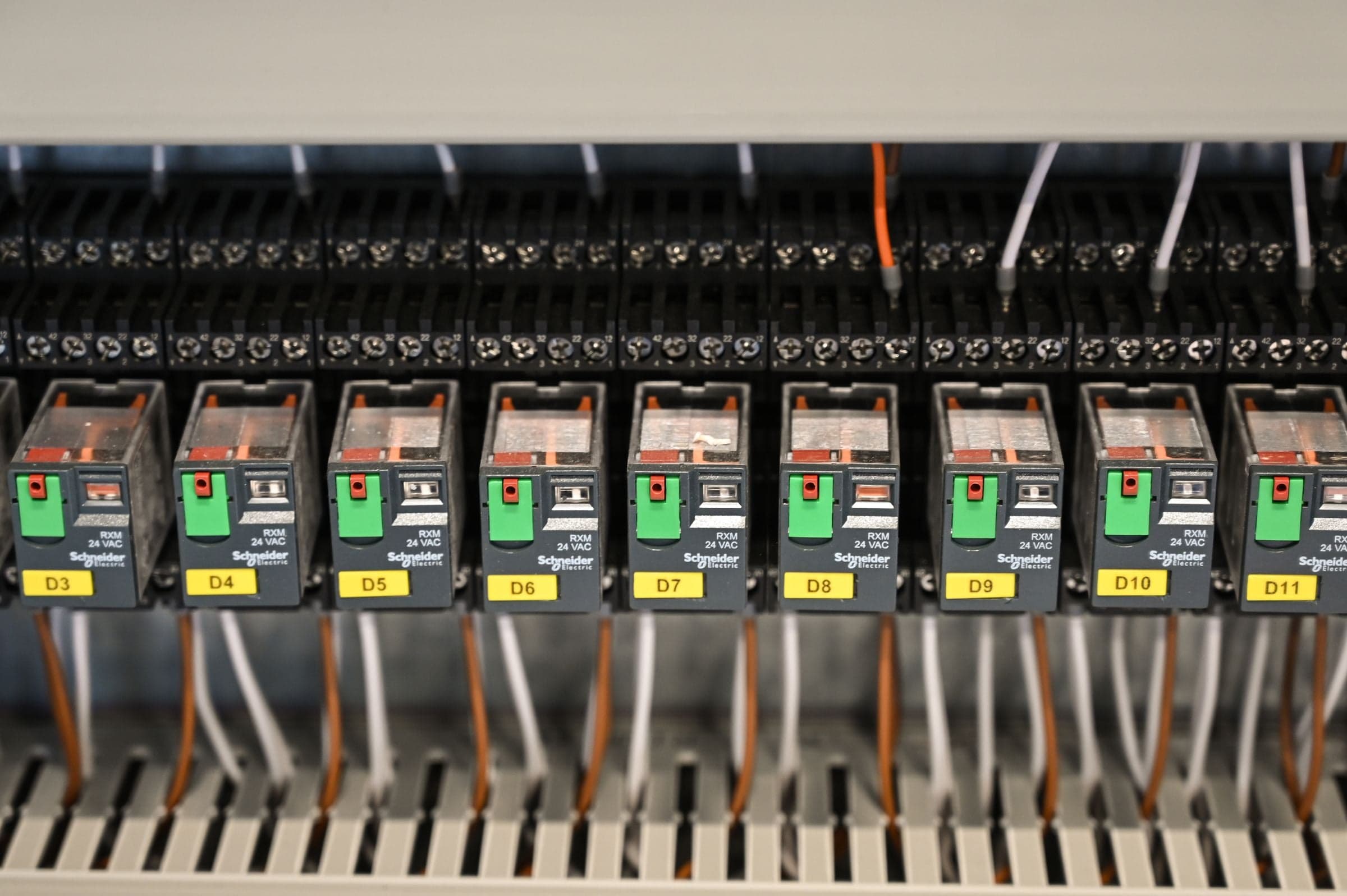
- Relays and contactors
- Circuit breakers and protective devices
- Low-voltage switchgear
- Motor control equipment
Available forms
- Bimetal Rivet
- Strip / Tape
- Formed Profiles
Further reading from our engineers
Frequently asked questions
Why use silver alloys instead of pure silver for contacts?
Pure silver conducts well but is soft and prone to welding when switching high current. Adding nickel, oxides (SnO₂, CdO), or tungsten raises hardness, arc resistance, and anti-welding behaviour, extending contact life.
Which contact material system should I choose?
It depends on current, voltage, and switching frequency — e.g. AgSnO₂ for high-current contactors, AgNi for general relays, and AgW/AgC for high arc-duty applications. Our team advises based on your device spec.
What forms are the contacts available in?
Bimetal rivets, strip/tape, and custom-formed profiles, so they integrate with switches, relays, and breakers as designed.
Ready to start your project?
Talk to our engineers directly, or request a quote for your system.