What Are ACTIVE and PASSIVE Speakers?
Understand the difference between Active speakers, which have a built-in amplifier, and Passive speakers, which require an external amplifier, along with the advantages and limitations of each.
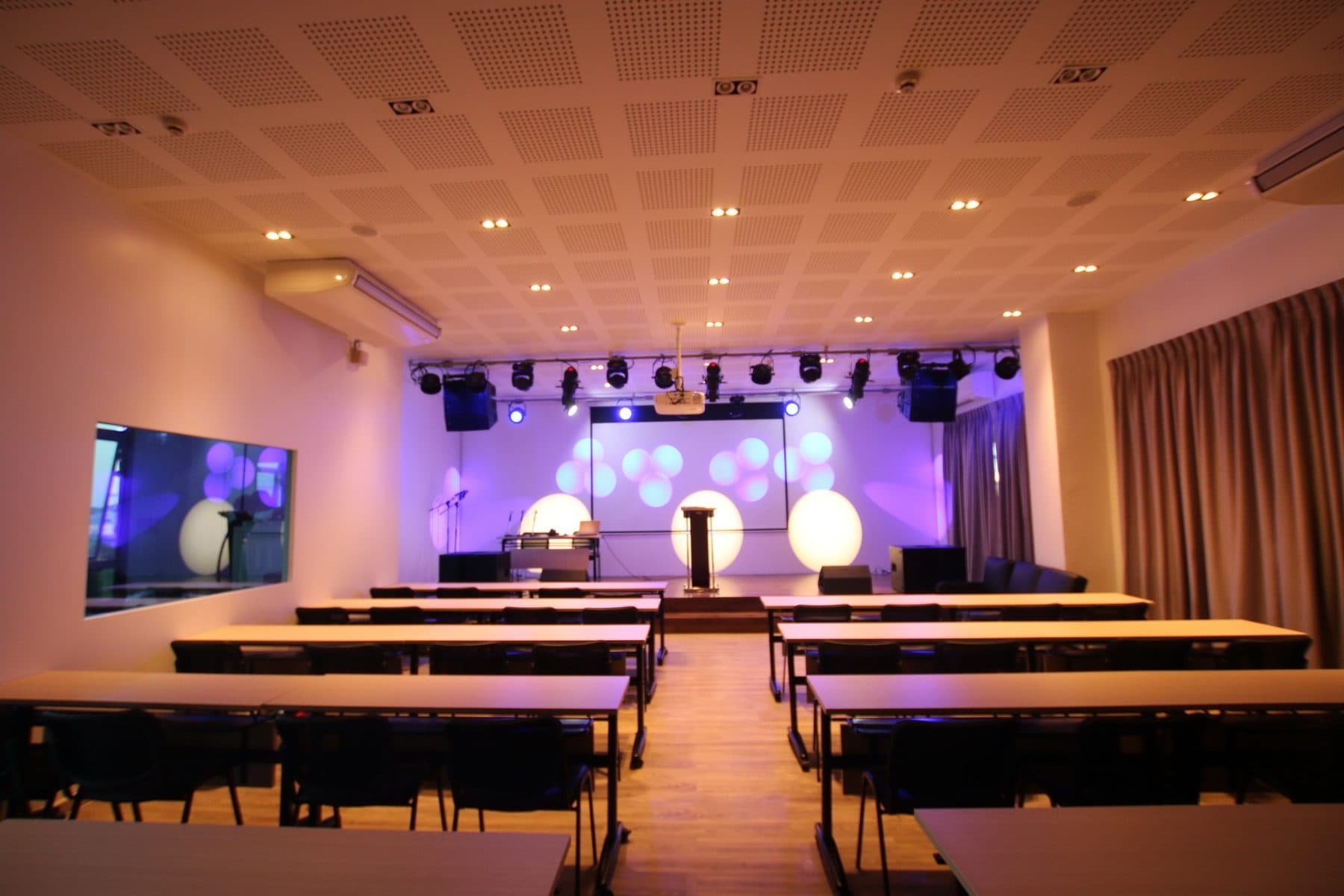
The speakers we see on the market come in many types of use, whether ceiling speakers, wall-mounted speakers, monitor speakers, PA speakers, portable speakers, or even line array speakers (long columns of speakers linked together, used at concerts). Each type of speaker is further divided into Active speakers or Passive speakers. This may leave you puzzled again about which type of speaker to use and which is better. In truth, once you know what kind of job you want the speaker for, the next thing to consider is whether to use an Active or Passive speaker.
Active Speakers
An Active speaker is a speaker with a built-in amplification stage, or amplifier. Simply plug in the power (AC cable), connect the input, and it drives the sound out of the speaker right away. Each brand's manufacturer produces the amplifier wattage to suit that speaker driver already. The amplifier used also comes in a choice of Class AB or Class D, which affects the price accordingly. Active speakers are mostly suited to concerts, events, booths, and various exhibitions, and organizer companies tend to favor this type of speaker.
The advantage is that they are easy and convenient to use, the sound is good and up to standard, and they are ideal for use where easy portability is needed. The limitation is that if you are someone who likes to tinker and mix and match, Active speakers may not suit you, because you cannot change the built-in amplifier.
Passive Speakers
A Passive speaker is a speaker without a built-in amplification stage, or amplifier. It is a bare cabinet that comes with the speaker driver, and you have to find an amplifier to connect in order to drive the Passive speaker so it works. The speaker's tone will change according to the amplifier used. From what we have seen, the materials used to build Passive speaker cabinets are generally of better quality. Work that focuses on this type of speaker is mostly large concerts or meeting room sound systems, because the system can be controlled from a single point.
The advantage is that you can find an amplifier with a tone you like to shape the sound driven out of the speaker. Especially if the operator has long experience and finds the right gear to pair with the Passive speaker, the resulting sound may be even better than an Active speaker. The limitation is that if you are not skilled enough, the resulting sound may sometimes be worse than an Active speaker.
One more thing everyone wants to know is surely the price. Normally an Active speaker already costs more than a Passive one at the same level, but don't forget that a Passive speaker does not yet include the cost of the amplifier. Once you add the amplifier's price, you will have to weigh it up for yourself and decide which type you prefer.
Frequently asked questions
What is the difference between active and passive speakers?
An active speaker has a built-in amplifier — plug in the power, connect the input, and it drives sound right away. A passive speaker has no built-in amplifier; it is a bare cabinet with the driver, and you must connect an external amplifier to drive it, with the tone changing according to the amplifier used.
Which speaker type suits events and exhibition booths?
Active speakers suit concerts, events, booths, and exhibitions — organizer companies tend to favor them because they are easy and convenient to use, the sound is good and up to standard, and they are easy to move. The limitation is that you cannot change the built-in amplifier.
Which is better value, active or passive?
An active speaker normally costs more than a passive one at the same level, but remember that a passive speaker does not yet include the cost of the amplifier. Once the amplifier's price is added, you have to weigh it up and decide which you prefer.