Shopping Mall PA Systems: Zoning, BGM and EVAC
A shopping mall PA system must be zoned by floor, tenant area and car park, put paging ahead of background music, cope with crowd noise, and double as an evacuation system when it matters.
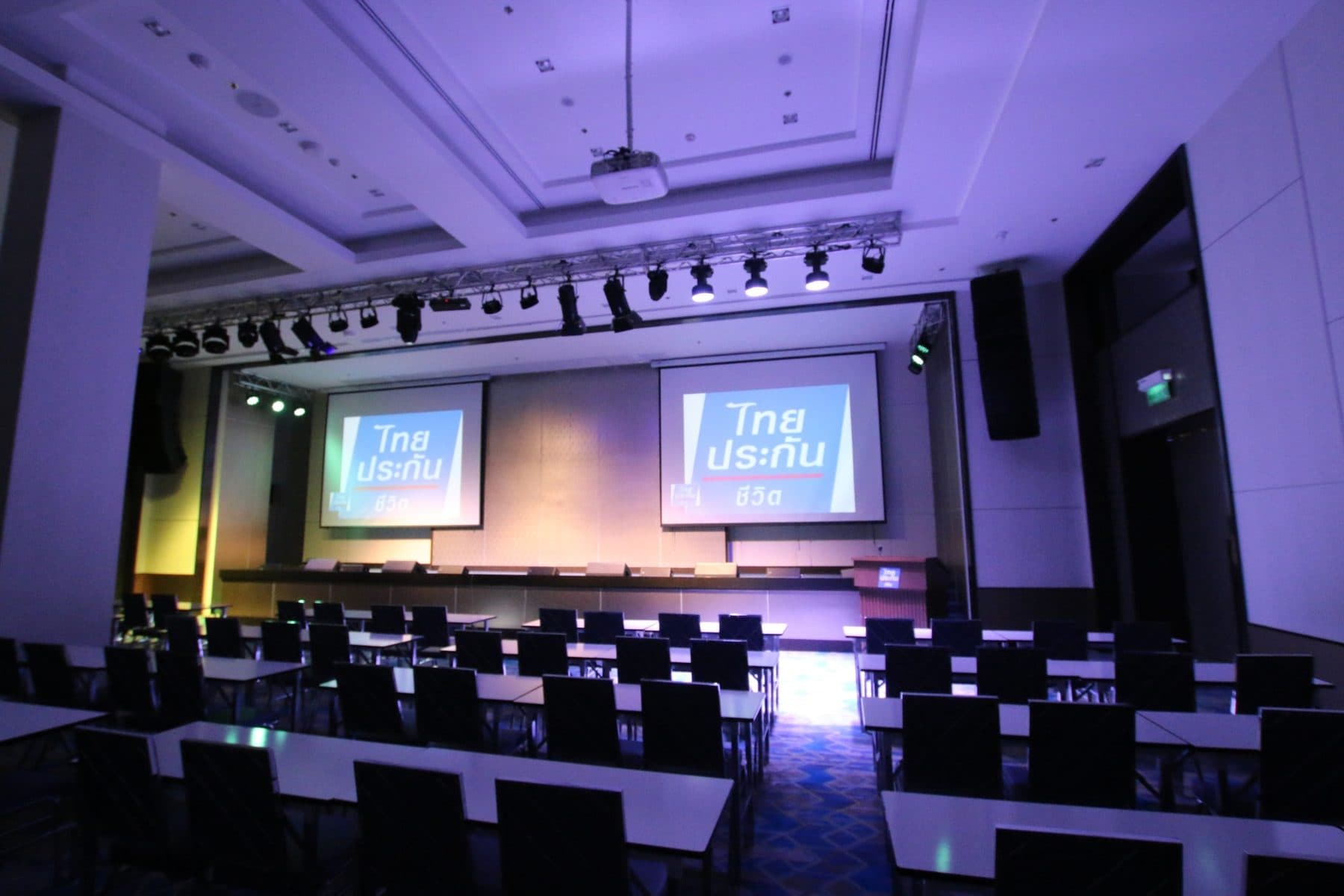
A shopping mall PA system is a system that has to do three jobs at once in a single building: play background music (BGM) to set the shopping atmosphere, page people and deliver area-specific announcements, and switch instantly into a voice evacuation (EVAC) system when an emergency occurs. What sets a mall apart from an office building is the sheer number of people, changing all day long; a noise level that rises and falls by the hour; and several groups of users, from building management and marketing to tenants and the security team. Facility managers and procurement officers should therefore fix the following design decisions in the scope of work before inviting installers to quote.
How does a shopping mall PA system differ from one in an ordinary building?
The difference is that the system must serve several groups of users and acoustic conditions that change throughout the day, all at the same time. In a mall, the same set of speakers has to play music from before the doors open, carry announcements from both marketing and customer service, and be ready to switch to evacuation messages the moment the fire alarm system activates. So there are four design questions:
- how to zone the building so announcements reach a specific spot without disturbing the whole mall
- how to set priorities so paging always overrides music
- how to keep announcements intelligible during the busiest hours
- whether the system can be relied upon to handle evacuation.
How should zones be divided by floor, tenant area and car park?
The principle is to zone by "who listens" and "who announces". A shopping mall PA system will normally separate at least the following groups:
- common areas by floor, such as the main walkways, the atrium and the escalators
- tenant areas whose sound the mall operator controls itself, such as the supermarket and the food court
- tenants that have their own sound systems, which should not receive the mall's music but must always be able to receive evacuation messages
- each level of the car park, where reverberation and traffic noise call for different speakers and tuning from the indoor areas
- back-of-house areas such as staff corridors and loading bays, which need to hear internal paging and evacuation messages but do not need music
- special venues such as a convention hall, rentable meeting rooms or a cinema, which usually have their own audio-visual systems and need an interface so the central system can inject evacuation audio. Finer zoning raises the cost of equipment in step with the number of amplifier channels and cable runs, so building management, marketing and the safety team should decide together at the design stage which zones genuinely need to be separate.
Background music versus paging: how should priority be set?
Evacuation audio comes before everything else, followed by emergency announcements from the control room, then general paging from the various paging points, with background music always last. The system must enforce this order automatically rather than relying on staff to turn the music down. When a higher-priority signal arrives, the system ducks or cuts the lower-priority signal only in the affected zones and restores it once the announcement ends. At the specification stage, state clearly which zones each paging point is allowed to reach: for example, the information counter can page every common-area zone, while the security control room can page every zone including back-of-house. Pre-scheduled advertising spots should sit at a priority close to music, so they never interrupt a page for a person or a safety announcement.
How do you keep announcements intelligible over crowd noise?
The answer is a combination of three things. First, speakers in a mall should be many and each run at a modest level, rather than few and loud, because sound from a speaker close to the listener beats the surrounding noise without becoming irritating, and this also reduces reverberation in high-ceilinged atriums. Second, the noise level in a mall changes all day, so a good system has ambient noise sensing in the main zones so that music and announcement levels rise and fall automatically. Third, the scope of work should require the installer to present a design and measurements for speech intelligibility; the industry uses STI (Speech Transmission Index) as the common concept for how well an announcement can be made out as words, rather than simply how loud it is. Intelligibility usually drops in high atriums and along glass walls, and the fix lies in speaker type, aiming and delay between distant speakers far more than in extra volume.
What must the EVAC system in a shopping mall be able to do?
The voice evacuation system must take a trigger from the fire alarm system and automatically play pre-recorded evacuation messages to the designated zones, while giving staff an immediate channel for live announcements from the control room. Large malls commonly use phased evacuation: the floor where the incident occurred and the adjacent floors are told to evacuate first, while the other floors receive a stand-by message, so that the fire stairs are not overwhelmed all at once. This is only possible when the zoning was planned from the outset and matches the building's evacuation plan. On the equipment side, an evacuation system designed along the lines of an international standard such as EN 54 has backup power and continuous monitoring of speaker lines, which an ordinary music system does not. Requirements differ by building type, so the buyer should check the requirements and standards that apply to their own building and state them clearly in the scope of work. One more item to specify is that every tenant with its own sound system must allow the central system to mute it and inject evacuation messages; this should be a condition of the lease and be tested for real before the shop opens.
How do central control and scheduling reduce day-to-day work?
A shopping mall PA system controlled from a single central point greatly reduces mistakes and the number of people needed to look after it. At its heart is a central controller that decides which source goes to which zone at which time. Building management can schedule the system to run itself all day: music in back-of-house before opening, closing-time messages at set intervals, and music off in the car park once the last customer has left, while marketing uploads promotional spots and sets their play times itself. For buildings with many floors and several wings, sending signals over an IP network lets paging points, the controller and the amplifiers sit in different locations, and makes it easy to add or move zones as tenant layouts change. The cabling to the speakers in each zone still commonly uses 100V line, which runs long distances and connects many speakers on one cable.
What should you prepare before calling an installer in for a survey?
Have these five things ready and the quotation will match your needs from the first round:
- floor plans of every level with the tenant layout, marking which tenants have their own sound systems
- a list of users and what each department needs to announce
- the evacuation plan and details of the fire alarm system to be interfaced
- trading hours and the busiest periods
- plans for future refurbishment, so spare zones can be designed in ahead of time. In budget terms, a medium system of 3–6 zones with 20–50 speakers starts at around 200,000 baht, while a mall with 6 or more zones and 50 or more speakers falls into the large-system tier, which starts at around 500,000 baht, with the actual price depending on the survey findings and the agreed design. VAN INTERTRADE was founded in 1986 (B.E. 2529), with 40 years of experience and more than 100 projects nationwide, including audio and video system work in the shopping mall areas at Central Chidlom. We offer free consultation and site surveys, help draft the scope of work and BOQ, and look after everything from design and installation to user training and nationwide after-sales service.
Frequently asked questions
How many PA zones should a shopping mall have?
There is no fixed number. Zone by who listens and who announces: at minimum, separate the common areas by floor, tenant areas the mall controls itself, tenants with their own sound systems, each car park level, back-of-house, and special venues such as a convention hall or cinema. Then have building management, marketing and the safety team decide together which zones genuinely need to be separate, since finer zoning raises the equipment cost.
Why must paging override background music automatically?
Because a mall has several groups making announcements and music is playing almost all the time, relying on staff to turn the music down invites mistakes. The system must enforce the priority order itself: evacuation audio first, then emergency announcements, then general paging, with music last, ducking or cutting the lower-priority signal only in the affected zones and restoring it when the announcement ends.
How do you know announcements are clear enough when the mall is crowded?
Require in the scope of work that the installer presents a design and measurements of speech intelligibility using the STI concept, not just loudness, and that the system has ambient noise sensing in the main zones so levels adjust automatically to real conditions, combined with many speakers each run at a modest level instead of a few loud ones.
Do tenants with their own sound systems need to connect to the central system?
They should, so that the central system can mute the shop's audio and inject evacuation messages, even though the shop need not receive the mall's music. This should be a condition of the lease and be tested for real before the shop opens. As for what each building type must have, check the requirements and standards that apply.
What does a shopping mall PA system's budget depend on?
The budget depends on the number of zones and speakers. A medium system of 3–6 zones with 20–50 speakers starts at around 200,000 baht, while a large system of 6 or more zones with 50 or more speakers starts at around 500,000 baht; the actual price depends on the site survey and the agreed design. VAN INTERTRADE offers free consultation and site surveys and helps draft the scope of work and BOQ.