A Deep Dive Into Nurse Call System Pricing: A Complete Budget-Planning Guide
Investing in a nurse call system is not just buying a call button — it is investing in patient safety. This article breaks down the pricing structure so you can plan your budget accurately.
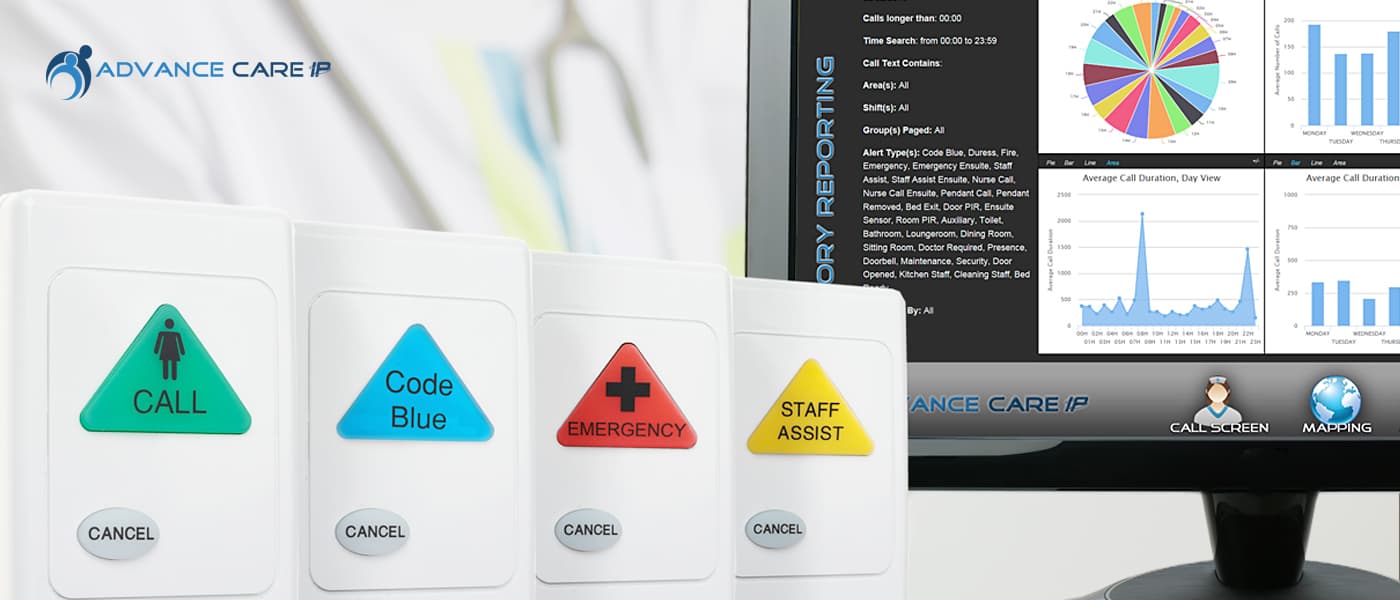
One of the first questions healthcare facility executives ask when looking to upgrade their services is, "How much does a nurse call system cost?" This is a crucial question, but there is no fixed answer. Investing in a nurse call system is not just buying a call button — it is investing in a complex patient safety system.
What Are the Main Factors That Determine "Nurse Call System Pricing"?
The price of a nurse call system is not determined by the number of beds alone. Key variables include the system technology (analog vs IP network, which is the biggest variable); the number of call points (patient beds, bathroom buttons, emergency call points); communication functions (a system with two-way voice intercom is inevitably more expensive); the ability to integrate with a HIS or smartphones; and the building structure (a new building is usually cheaper than retrofitting an old one).
The Price of a Nurse Call System Is More Than Just Equipment
When you receive a quotation, the costs are usually broken down into parts. Hardware cost is the core, including bedside devices, the master station, corridor dome lights, and bathroom devices. Installation and cabling — the cost of signal cable is a hidden cost many overlook, as cabling in a hospital must comply with advanced safety standards. And design and service, for large systems, including software configuration and training the nursing team.
Price Comparison: Analog Systems vs. IP Network Systems
This is where the greatest price difference lies. Analog systems have a "lower" starting price per point; the equipment is not complex, emphasizing durability and basic functionality, and is suitable for clinics, nursing homes, or small hospitals with limited budgets. IP network systems clearly have a "higher" hardware price per point, because every device is intelligent and requires software to manage.
Why Might an IP Nurse Call System Be "Cheaper" in the Long Run?
Although the initial price is higher, an IP system delivers better long-term value (TCO): saving on cabling costs because it can use the existing LAN (CAT6) infrastructure; easy expansion by simply plugging new devices into the LAN; and reducing the nursing workload with intelligent functions such as sending alerts to mobile phones.
A Preliminary Budget Estimate Table for a Nurse Call System
A preliminary pricing guide per bed: a basic analog system, emphasizing a buzzer and corridor light with no voice, is approximately 8,000 - 15,000 THB; a full analog system with two-way voice intercom is approximately 15,000 - 30,000 THB; and a full IP network system with voice intercom, HIS integration, and mobile alerts is approximately 30,000 - 70,000+ THB. Actual prices may vary by brand and features.
Hidden Factors That Can Cause Budget Overruns
Beware of costs that are often not listed on the first quotation, such as the cost of renovating an old building (wall drilling, redoing ceilings to run cable); annual software license fees for some IP systems; and the cost of integrating with a HIS, since programming the connection between the two systems may incur additional charges.
Requesting an Accurate Quotation: What Information Should You Prepare?
To get a quotation as close to reality as possible, you should prepare the floor plan of the ward to be installed, the number of patient beds and bathrooms that need call points, the required functions (just lights, voice intercom, or mobile connectivity), and information on whether it is a new building or one already in use.
Frequently asked questions
How much does a nurse call system cost per bed?
As a preliminary guide per bed: a basic analog system with a buzzer and corridor light and no voice is approximately 8,000–15,000 THB; a full analog system with two-way voice intercom is approximately 15,000–30,000 THB; and a full IP network system with voice intercom, HIS integration, and mobile alerts is approximately 30,000–70,000+ THB. Actual prices may vary by brand and features.
What factors determine the price of a nurse call system?
The price is not determined by the number of beds alone. The key variables are the system technology (analog vs IP network, the biggest variable); the number of call points across patient beds, bathroom buttons, and emergency call points; communication functions, since a system with two-way voice intercom is inevitably more expensive; the ability to integrate with a HIS or smartphones; and the building structure, as a new building is usually cheaper than retrofitting an old one.
What hidden costs are often missing from the first quotation?
Costs that are often not listed include renovating an old building, such as wall drilling and redoing ceilings to run cable; annual software license fees for some IP systems; and integrating with a HIS, since programming the connection between the two systems may incur additional charges. The cost of signal cable itself is also a hidden cost many overlook.