High conductivity, strong, heat- and wear-resistant
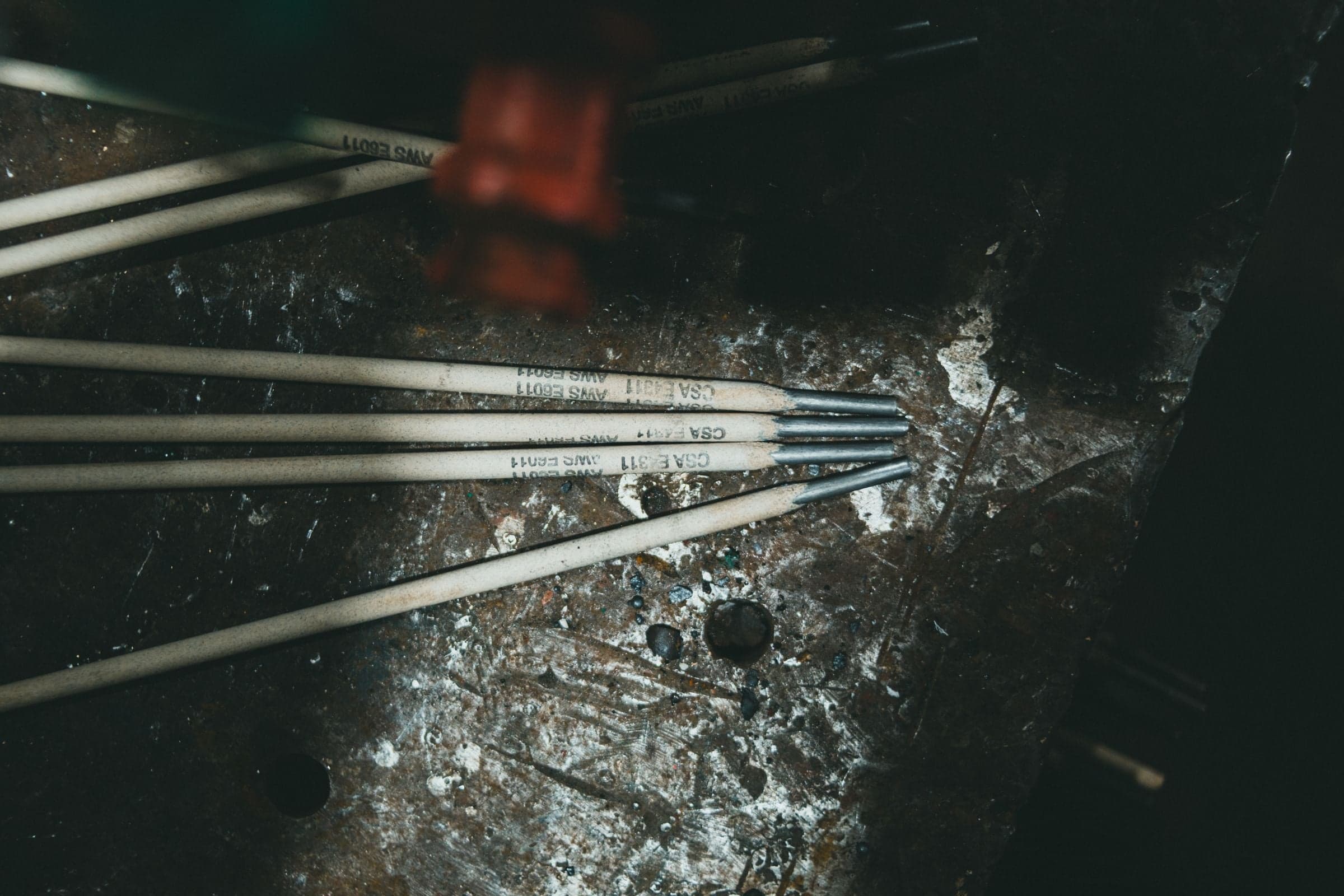
Chromium copper (CrCu) is a copper alloy that provides high electrical and thermal conductivity together with hardness and strength that stay stable even at elevated temperatures, ideal for welding electrodes and components that must carry both mechanical load and heat at once.
Overview
CrCu is designed for points where pure copper is too soft but high conductivity is still required. Adding chromium (and zirconium in some grades) increases strength and hardness through age hardening while keeping conductivity at a high level.
With its ability to retain strength at high temperature and resist wear, CrCu is the standard material for resistance-welding electrodes and electrical components in continuous service.
Key properties
- Standard grade (UNS)
- C18200 (CuCr1), C18150 (CuCrZr)
- Electrical conductivity
- ~80–85% IACS
- Hardness
- Up to ~75 HRB after age hardening
- Temperature resistance (softening)
- Retains strength up to ~450–500°C
- Key properties
- Wear-resistant · Heat-resistant · High conductivity
Material highlights
Resistance-welding electrodes
A balance of hardness, conductivity, and heat resistance makes CrCu the standard for electrode tips and welding wheels that must operate repeatedly and continuously.
High conductivity with strength
Delivers conductivity up to ~80–85% IACS while being far stronger than pure copper, ideal for contacts and switchgear components.
Heat-resistant without softening
Retains strength even at high operating temperatures, preserving component life in applications with heat build-up.
Applications & available forms
Common applications
- Resistance-welding electrodes and tips (Spot Welding Tips)
- Electrode holders and welding wheels (Seam Welding Wheels)
- Electrical contacts and switchgear
- Mold components requiring electrical/thermal conductivity
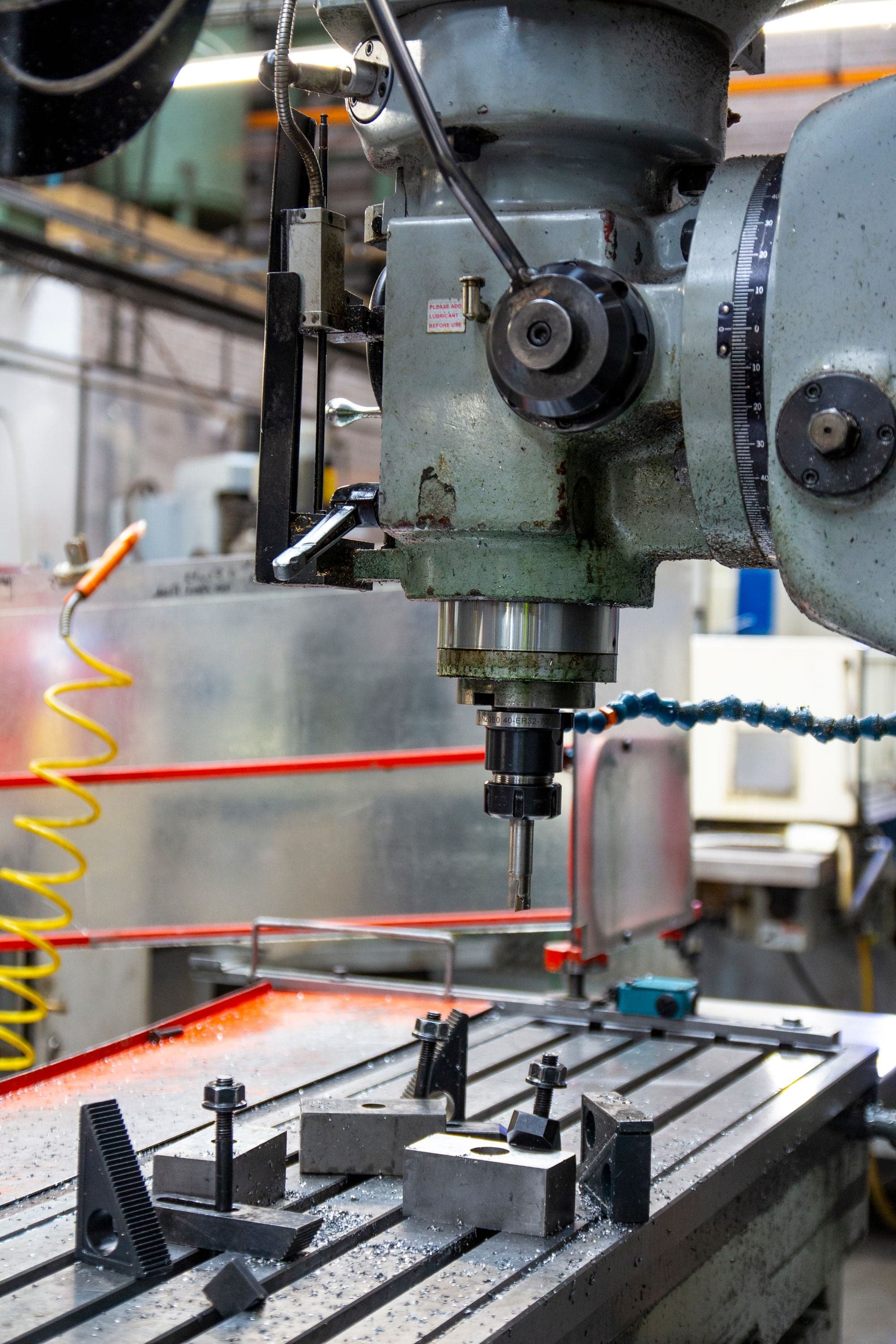
- Electrodes and components for EDM work
Available forms
- Round Bar
- Plate
- Billet
Frequently asked questions
What is Chromium Copper (CrCu) best suited for?
It is best suited to resistance-welding electrodes and tips, where high conductivity combined with hardness and heat resistance extends electrode life. It is also used for electrical contacts and mold components.
How conductive is CrCu compared with pure copper?
CrCu offers roughly 80–85% IACS — slightly below pure copper — in exchange for far greater strength and hardness, making it ideal where conductivity and mechanical load are both required.
What is the difference between C18200 and C18150?
C18200 (CuCr1) is the base chromium-copper grade, while C18150 (CuCrZr) adds zirconium to improve strength retention at elevated temperature and fatigue life — suited to heavy, continuous welding duty.
Do you provide a material (Mill) certificate?
Yes — we supply materials with traceable quality and chemical-composition certificates to meet industrial requirements.
Ready to start your project?
Talk to our engineers directly, or request a quote for your system.