A Guide to Sound System Design: Crafting the Perfect Audio Experience
Sound is a powerful element. It can create a relaxing atmosphere in a coffee shop, stir emotions in a cinema, or make communication in a meeting room crystal clear in every word.
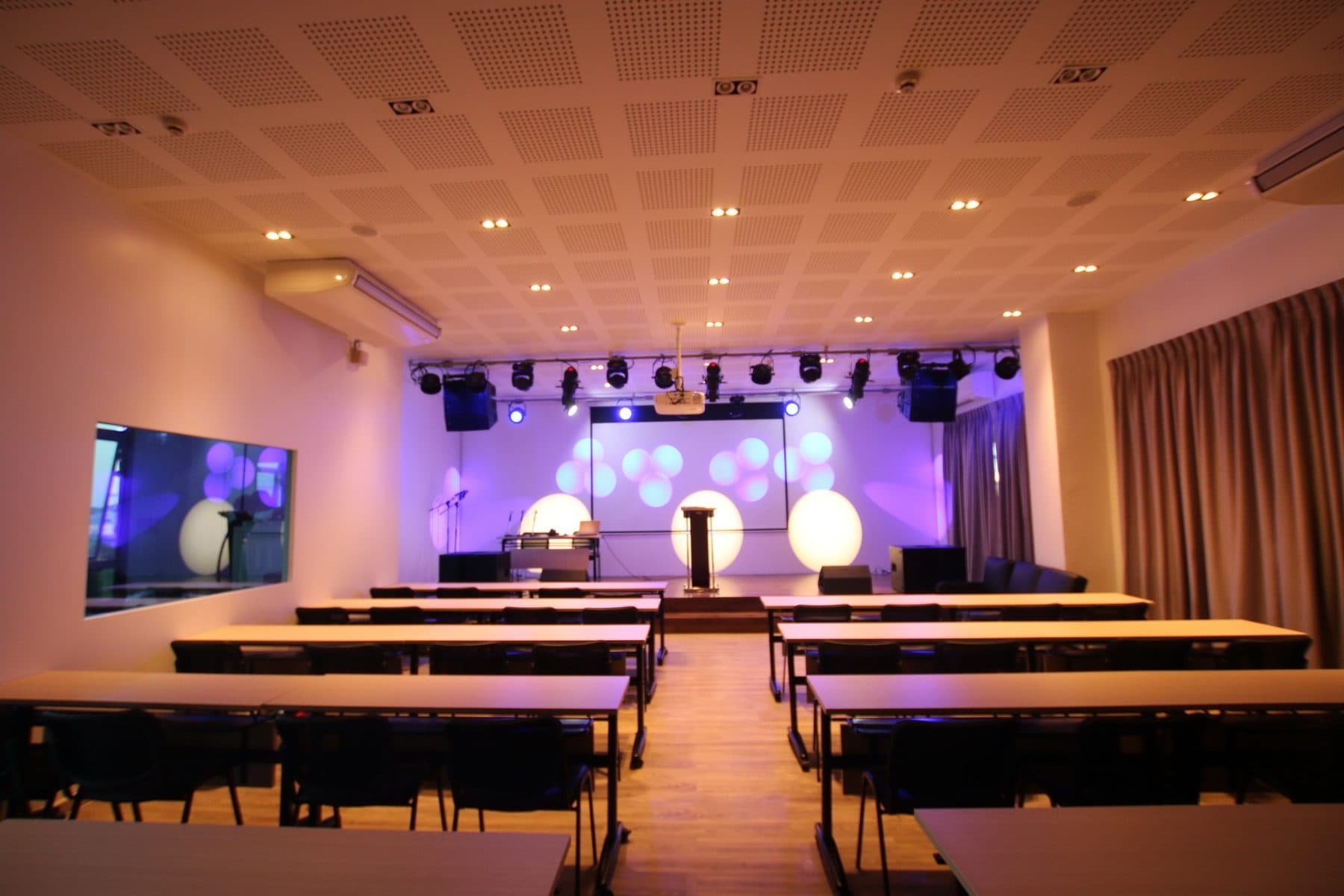
Sound is an incredibly powerful element. It can create a relaxing atmosphere in a coffee shop, stir emotions in a cinema, or make communication in a meeting room crystal clear in every word.
Step one: define the goals and objectives of the sound system
Before selecting even a single piece of equipment, the most important question is, "What do we need this sound system for?" Because different goals lead to completely different designs, from home entertainment that emphasizes surround-sound speakers, to creating atmosphere in a business that focuses on even music distribution, to clear communication in a meeting room that prioritizes speech intelligibility.
The science of sound: understanding acoustics basics
Room acoustics is a factor that affects sound quality by more than 50%. Rooms with hard walls and smooth surfaces (such as glass or concrete) cause "reverberation," making sound muddy and unclear. Using "sound-absorbing" materials such as carpet, thick curtains, bookshelves, or acoustic panels helps control reverberation and lets your sound system reach its full potential.
The core components of every sound system
Whether a sound system is small or large, it consists of four key parts that work together: the source, the device that plays the audio file; the processor/pre-amp, which receives the signal, selects the sound source, and fine-tunes the audio quality; the amplifier, which boosts the power of the audio signal; and the speakers, the final stage that converts electrical signals into the sound waves we hear.
Choosing the right speakers for your space
Speakers are the part that conveys the emotion of sound most clearly. Bookshelf speakers are compact and suited to small and medium rooms, delivering clean, precise sound. Floorstanding speakers deliver deeper, more powerful bass, while in-wall/in-ceiling speakers offer a clean, blended aesthetic ideal for distributed sound systems.
DIY or hire a professional: when should you call an expert?
For simple sound system installations, such as a stereo music setup or a soundbar, DIY installation is doable and can be fun. But for complex systems, such as a full home theater, a multi-room audio system, or a commercial sound system, hiring a professional designer and installer (a System Integrator) is a worthwhile investment.
Frequently asked questions
Where does sound system design start?
Before selecting even a single piece of equipment, the most important question is what you need the system for, because different goals lead to completely different designs — from home entertainment that emphasizes surround speakers, to business atmosphere that focuses on even music distribution, to meeting rooms that prioritize speech intelligibility.
How much do room acoustics matter?
Room acoustics affect sound quality by more than 50%. Rooms with hard walls and smooth surfaces, such as glass or concrete, cause reverberation that makes sound muddy and unclear. Sound-absorbing materials such as carpet, thick curtains, bookshelves, or acoustic panels help control it.
When should you hire a professional instead of doing it yourself?
For simple installations such as a stereo music setup or a soundbar, DIY is fine. But for complex systems — a full home theater, a multi-room audio system, or a commercial sound system — hiring a professional designer and installer (a system integrator) is a worthwhile investment.